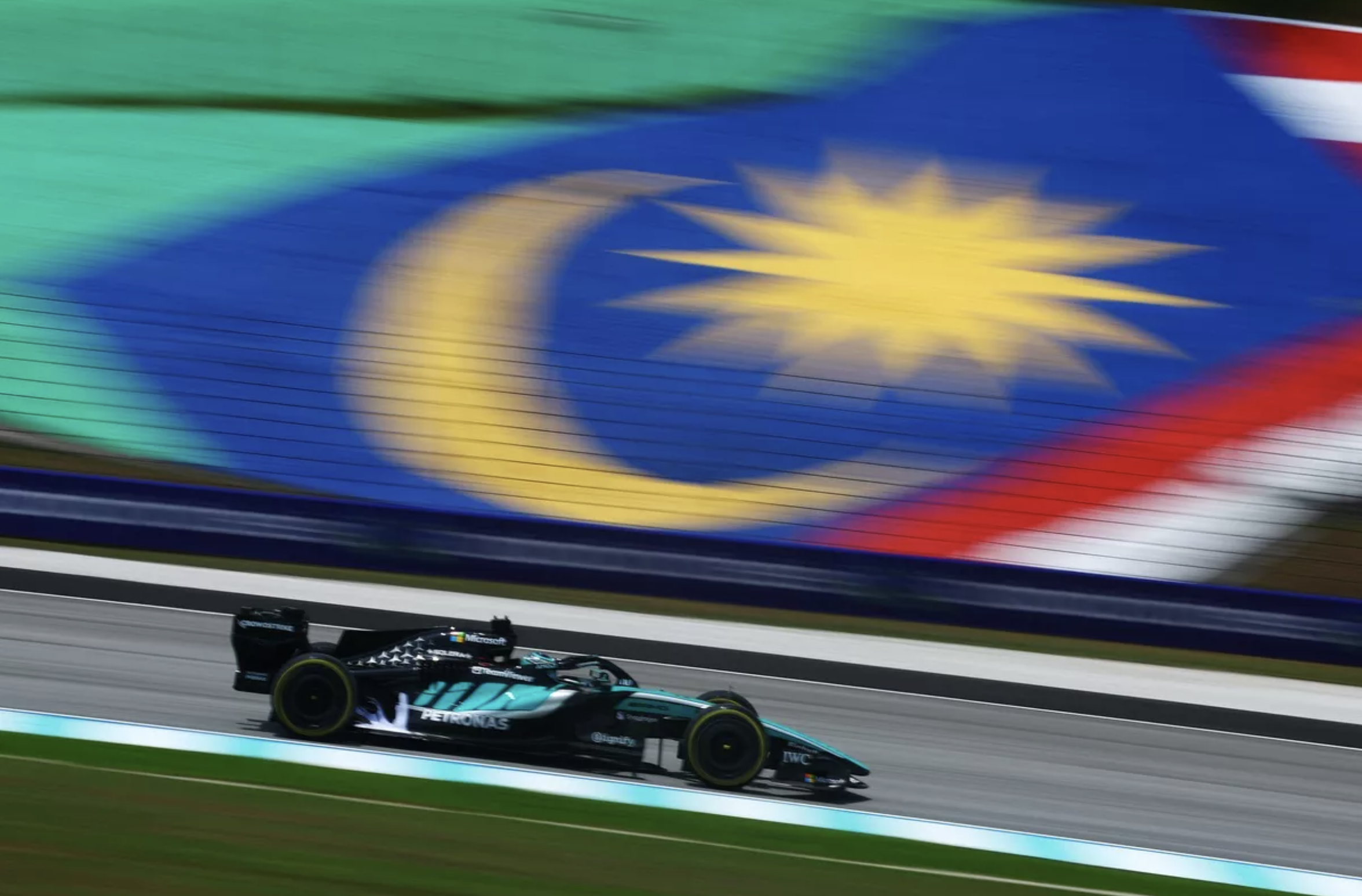
Formula 1 finally returned to Sepang over the weekend, nine years after Malaysia last hosted the sport in 2017. And judging by the response, people clearly haven't forgotten what F1 at Sepang feels like.
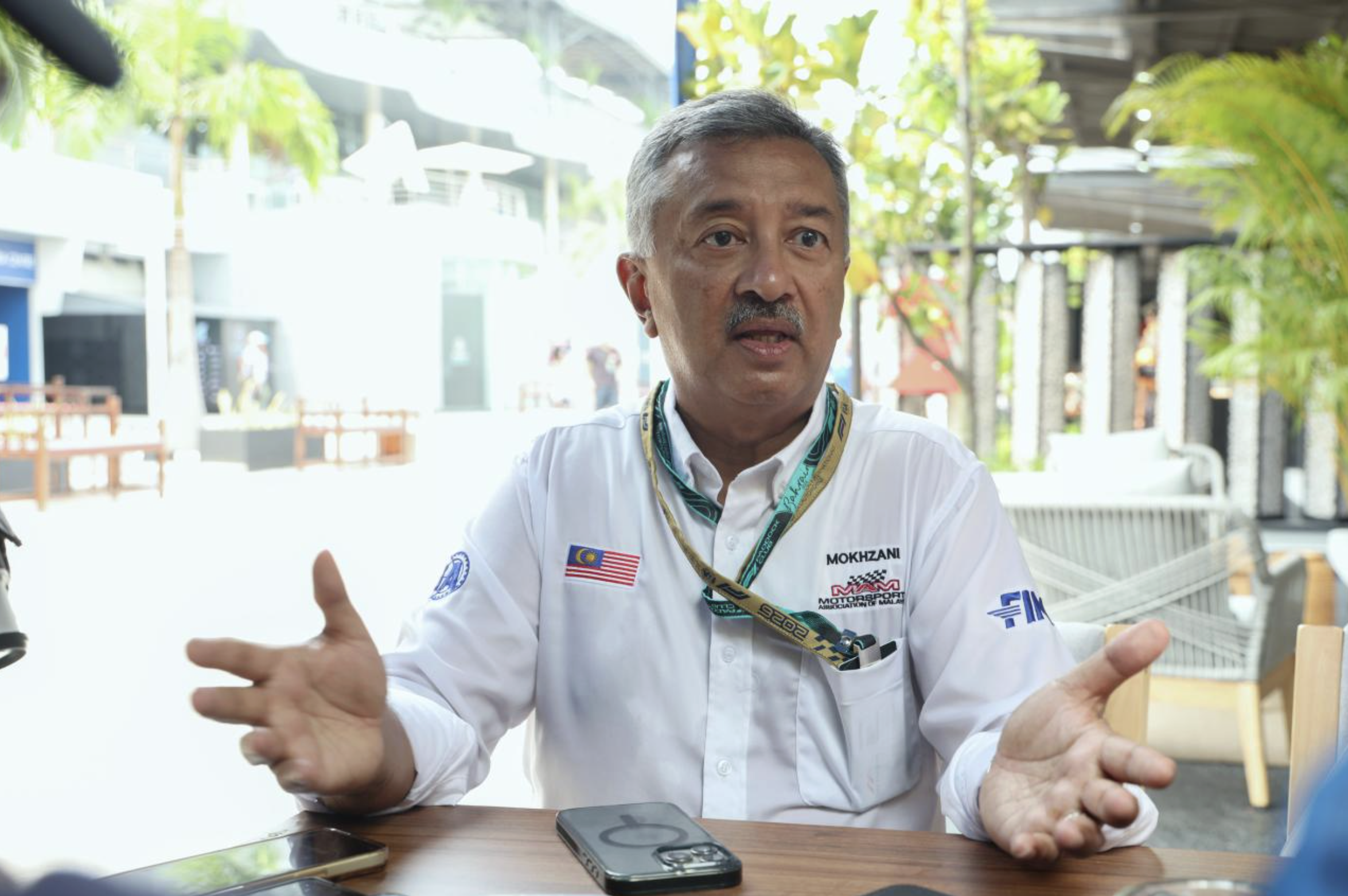
Around 105,000 tickets were reportedly sold for the Formula 1 Gulf Air Bahrain Grand Prix in Malaysia, with Motorsports Associations of Malaysia (MAM) president Tan Sri Mokhzani Mahathir saying he was surprised to see fans turning up in numbers even for Friday's practice sessions.
If Sepang can still host F1 and the fans are still willing to show up, should Malaysia bring back its own Grand Prix permanently?
THE RM300 MILLION QUESTION
SIC estimates Malaysia would need to spend at least RM300 million annually to secure a permanent Formula 1 slot. The circuit has now shown it can host F1 again. The harder question is whether the economic return can justify that kind of yearly commitment.
This Wasn't Actually The Malaysian Grand Prix
What happened at Sepang from Oct 2 to 4 wasn't the revival of the Malaysian Grand Prix. Malaysia instead stepped in to host the Formula 1 Gulf Air Bahrain Grand Prix after the original Bahrain race was cancelled amid geopolitical tensions in West Asia.
The unusual arrangement also made hosting F1 this time considerably different from what Malaysia would face with its own permanent race.
Bahrain agreed to fully bear the F1 hosting rights fee, which SIC CEO Azhan Shafriman Hanif said was around US$70 million to US$80 million, or roughly RM298 million to RM340 million based on the figures provided at the time.
Malaysia still had local preparation costs to deal with. SIC estimated these at around RM40 million, to be shared between Malaysia and Bahrain.
That distinction matters.
The 2026 race showed that Malaysia can host F1 again. It didn't necessarily show that Malaysia can afford to do it every year.
A Malaysian GP Could Cost At Least RM300 Million A Year
If Malaysia wants its own permanent slot on the F1 calendar, the bill changes dramatically. Azhan previously estimated that Malaysia would need to spend at least RM300 million annually to secure a permanent F1 slot, including hosting rights and local preparation requirements.
That's not exactly loose change.
There could, of course, be a much larger economic return attached to that spending. Azhan said data he had seen suggested host countries could generate returns of at least three times their expenditure. On that basis, RM300 million in spending could potentially translate into close to RM1 billion in economic returns.
Separately, Hong Leong Investment Bank Research projected that this year's F1 event could contribute around RM1.1 billion to RM1.3 billion in total economic output, with tourism, hospitality, transport and retail among the expected beneficiaries.
The Ministry of Tourism, Arts and Culture (MOTAC) had also targeted around 300,000 tourists in conjunction with the event, including an estimated 50,000 international visitors attending the race at SIC.
The RM1.1 billion to RM1.3 billion figure is a projection, not the final measured economic impact of the 2026 race. A proper post-event assessment would be needed before using this weekend as evidence for the economics of an annual Malaysian GP.
Malaysia Has Been Here Before
There's also a reason the Malaysian Grand Prix disappeared in the first place. Malaysia hosted F1 at Sepang from 1999 until 2017, but towards the end of that run, the economics had become increasingly difficult to justify.
When the decision to end the race was announced in 2017, the government cited declining returns relative to the high cost of staging it, alongside falling viewership, visitor numbers and tourist arrivals associated with the event.
The regional landscape had changed too. When Sepang joined the F1 calendar in 1999, only a small number of Asian countries hosted Formula 1. By 2017, Malaysia was competing with considerably more races for spectators, sponsors and tourism spending.
Which makes what happened this weekend particularly interesting.
Malaysia walked away when the economics had become difficult to justify. Nine years later, F1 came back and demand surged again.
There is certainly evidence of renewed interest, although the numbers need some context. Mokhzani said he was told around 105,000 tickets had been sold for this year's event and noted the strong crowds throughout the weekend, including during practice and qualifying.
But those ticket sales shouldn't be interpreted as 105,000 Malaysian fans. Before the race, SIC said around half of its ticket buyers were international visitors.
There's another reason to be cautious about reading too much into one successful weekend: scarcity.
Fans had waited nine years to see Formula 1 race at Sepang again. The 2026 event also arrived unexpectedly and was effectively a one-off, meaning nobody knew when they would get another chance.
A permanent Malaysian GP wouldn't have that advantage every year. The real test would be whether the enthusiasm survives once F1 stops being a once-in-nine-years occasion.
Sepang Still Knows How To Host F1
As far as the circuit itself is concerned, there seems to be considerably less doubt. Mokhzani believes SIC retains both the capability and experience required to host Formula 1 despite the nine-year absence.
That conclusion is easier to appreciate when you remember how quickly this year's event came together. SIC would normally have around six to seven months to prepare for a race of this scale. For 2026, it had less than two months to get Sepang ready.
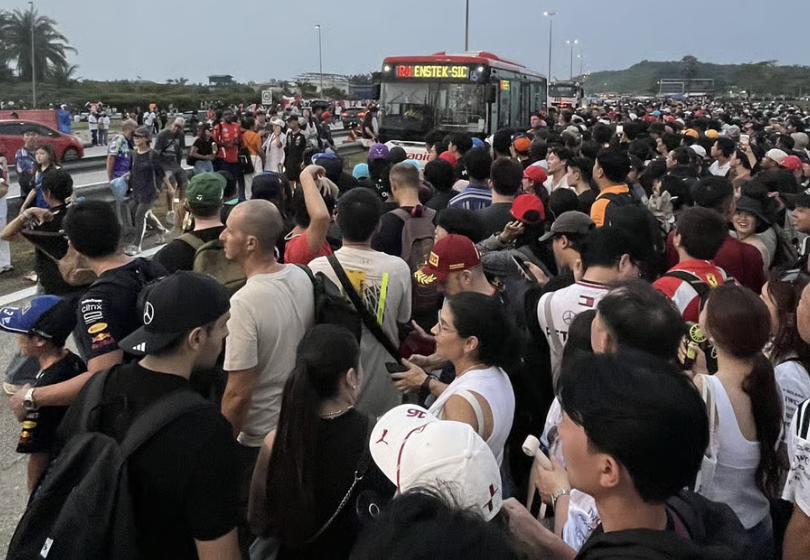
The weekend wasn't completely painless, though. Friday exposed problems outside the circuit, particularly with transport and crowd movement after practice. Hundreds of spectators were reportedly left waiting for transport, while some ended up walking several kilometres after buses were delayed by heavy traffic.
Rapid KL, SIC and other parties subsequently adjusted transport arrangements and passenger flows for the remainder of the weekend.
That doesn't mean Sepang cannot handle F1. If anything, the weekend gave Malaysia something useful should a permanent return ever be seriously considered: a real-world stress test showing what worked and what still needs improvement.
So, Should The Malaysian GP Come Back?
For now, there isn't a simple yes or no. Mokhzani says SIC is capable of hosting F1 again, but he also acknowledged that a permanent return ultimately depends on government financial considerations and a proper assessment of the race's wider economic impact.
He also suggested that a five-year "3+2" arrangement could provide greater certainty for organisers, spectators and Formula 1 if Malaysia eventually pursued a permanent race.
The circumstances have now changed in one important way. Malaysia no longer needs to imagine what bringing F1 back to Sepang might look like.
We just did it.
The circuit worked. The fans returned. Malaysia suddenly found itself part of the Formula 1 conversation again.
But the 2026 Bahrain GP was also an unusually favourable experiment for Malaysia because Bahrain carried the enormous hosting-rights bill.
A permanent Malaysian Grand Prix would be a very different proposition.
What Happens Next?
Before Malaysia seriously considers a multi-year F1 commitment worth hundreds of millions of ringgit, the most useful figure may come after the chequered flag: the measured economic impact of the 2026 weekend.
If the eventual numbers come anywhere close to the projections, the conversation about reviving the Malaysian Grand Prix becomes considerably more interesting.
If they don't, RM300 million a year is a very expensive way to find out how much we missed Formula 1.
A Bachelor of English Language and Literature graduate with an obsession for the finer details. Sofea uses her background in translation to decode the technicalities of automotive innovation. She is dedicated to delivering impactful, meticulously researched articles that provide a narrative far beyond the spec sheet. LinkedIn: https://bit.ly/3C018vv
F1 has returned to Sepang after nine years, but a permanent Malaysian GP could cost at least RM300 million a year. Would the economic return justify it?
Malaysia First Used Car and EV Consignment Platform
This is the best place to sell your car at true market value. Instead of accepting low dealer trade-ins, we handle everything and connect your car directly to genuine buyers for the highest price.
Understanding CariCarzAutomall Consignment Plan
Approved 200-Check Points Inspection
7 Day Money Back Guarantee
One Year Extended Warranty
No Hidden Charge
About Us
CarzAutoMedia: Stay connected to the latest car news! Get instant updates on new releases, industry trends, and automotive innovations. Your go-to source for 24/7 coverage of everything automotive.