EV Adoption in E-Hailing may rise faster in Secondary Cities According to ChargeSini



In Kuala Lumpur, high-rise living is a challenge for EV adoption. Most residents live in condominiums or apartments, where installing a private charger is expensive and complicated. This leaves drivers dependent on public charging stations, which are less convenient, more costly, and often crowded. For full-time Grab drivers , this reduces both efficiency and income, making EV ownership less attractive in the capital.

Secondary cities paint a different picture. With more landed homes, drivers can install home chargers and enjoy the convenience of overnight charging. The savings are clear: charging an EV at home costs around RM20–RM25 for 400 km, compared to RM90–RM100 in petrol for the same distance. That’s up to 75% cheaper per trip, giving high-mileage drivers a huge boost in daily profits.

Maintenance is another area where EVs shine. With fewer moving parts and no need for oil changes, yearly servicing for an EV can be as low as RM800–RM1,000. In comparison, petrol cars usually cost RM2,500–RM3,000 a year to maintain. For e-hailing drivers who easily clock 50,000 km a year, this difference adds up to thousands in savings. Put simply: low charging cost + low maintenance = higher income.

Adding to that, EV batteries have become cheaper and more reliable. Prices have dropped by almost 90% compared to 10 years ago, while modern EV batteries now last 10–15 years. For drivers in landed homes, pairing EVs with solar panels can bring energy costs close to zero — turning clean driving into a smart financial choice.

All these factors show why EV adoption may rise faster in secondary cities than in Kuala Lumpur. With lower costs, easier home charging, and better long-term value, e-hailing drivers outside KL have the strongest reason to switch. For Malaysia, this shift highlights a clear message: the road to EV adoption could start not in the capital, but in the cities that surround it.


JPJ Running Numbers
KUALA LUMPUR
VSA4732
SELANGOR
BSV2902
JOHOR
JH7581J
PULAU PINANG
PSH5408
PERAK
APN2093
PAHANG
CFJ4632
KEDAH
KGJ9082
NEGERI SEMBILAN
NEM6554
KOTA KINABALU
SJV2938
KUCHING
QAB693Q
Last updated 21 Nov, 2026
Fuel Price
Petrol
RON 95
RM 3.97
+1.38
RON 97
RM 4.90
+1.75
RON 100
RM 7.20
+2.20
VPR
RM 8.23
+2.00
Diesel
EURO 5 B10
RM 5.12
+2.08
EURO 5 B7
RM 5.32
+2.08
Last updated 30 Apr, 2026
Latest News
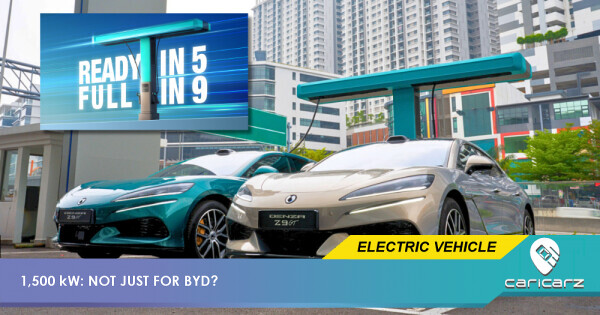
BYD Flash Charging Malaysia: 9-Minute Charging, Locations And Compatible EVs
BYD Flash Charging is now in Malaysia. Explore its 1,500 kW chargers, nine-minute charging, locations, compatible EVs and nationwide expansion plans.

20-11-2026
Malaysia Commercial EV Tax Incentives: What's Available And What's Being Proposed
Malaysia is studying sales tax exemptions for electric lorries. Explore existing GITA incentives, Budget 2027 measures and their link to diesel subsidies.
19-11-2026
Malaysia's Temporary 800 kWh Electricity Bill Protection Ends December 2026: What EV Owners Should Know
Malaysia's temporary 800 kWh electricity bill protection ends Dec 31, 2026. Here's what EV owners should know about home charging and electricity tariffs.
19-11-2026
Malaysia's Proposed EV Levy Explained: Charging Infrastructure, Funding And EV Affordability
Malaysia is studying an EV levy to fund more public chargers. Explore the proposal, infrastructure challenges, Budget 2027 incentives and EV affordability.
18-11-2026
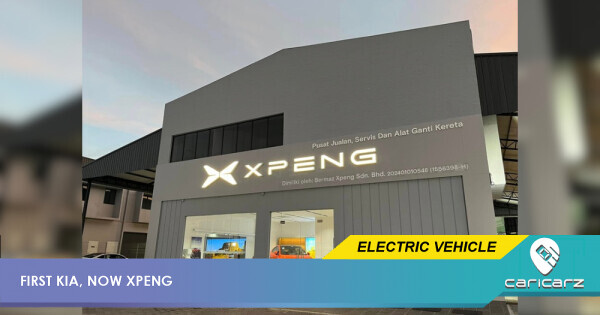
Bermaz Auto Ends XPENG Distributorship: What It Means For Malaysia's Automotive Industry
Bermaz Auto ends its XPENG distributorship in Malaysia. Explore its financial significance and the evolving role of local automotive distributors.
18-11-2026
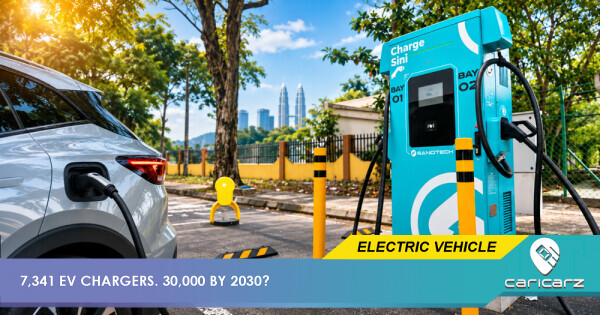
Malaysia's 30,000 EV Charger Target: 7,341 Installed As Of September 2026
Malaysia has 7,341 EV chargers but needs 22,659 more by 2030. Can faster expansion and better rural coverage close the gap?
17-11-2026
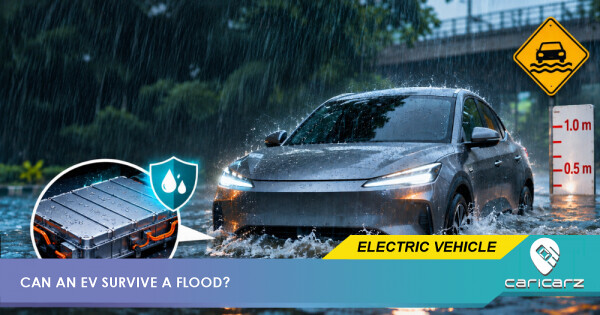
EV Flood Damage: Are Electric Car Batteries Waterproof?
Can an EV survive a flood? Learn how floodwater affects electric car batteries, what damage can occur and what Malaysian EV owners should do.
10-11-2026
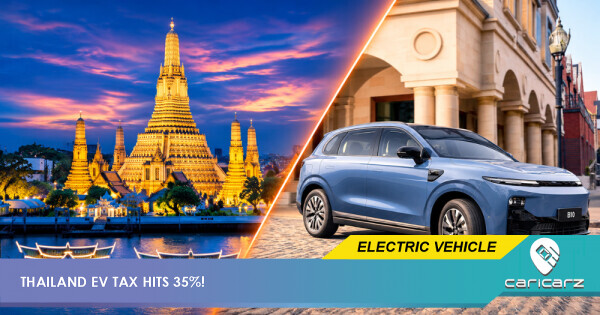
Thailand EV Import Tax Rises To 35% In 2027 — Malaysia Policy Compared
Thailand raises its EV import tax to 35% in 2027. See how Malaysia's RM200,000 CIF and 180 kW CBU EV rules compare, and what buyers should know.
04-11-2026
Show More
trending_flat
Malaysia First Used Car and EV Consignment Platform
This is the best place to sell your car at true market value. Instead of accepting low dealer trade-ins, we handle everything and connect your car directly to genuine buyers for the highest price.

Understanding CariCarzAutomall Consignment Plan


Approved 200-Check Points Inspection

7 Day Money Back Guarantee

One Year Extended Warranty

No Hidden Charge
