Why Petrol Station Owners Can’t Just Build EV Chargers Even If They Want To


If you drive an electric vehicle in Malaysia, chances are you have experienced range anxiety at least once while traveling outside major urban hubs. Cruising down a highway or heading into a rural town, it seems logical that your local petrol station, a spot built specifically for refueling, should have an EV charger ready.
However, pulling into a pump bay hoping for a quick battery boost often leads to disappointment. Many drivers blame station operators for failing to adapt to the green transition, but the truth is far more complicated.
According to a report by the New Straits Times, the Petroleum Dealers Association of Malaysia (PDAM) highlighted that individual station owners are facing massive hurdles. Between corporate restrictions, multi-hundred-thousand-ringgit costs, and strict fire safety regulations, adding an EV bay isn't as simple as plugging in a device.
1. "Dealer Doesn't Have Much Of A Say"
The biggest misconception among drivers is that independent petrol station operators call the shots on their own forecourts.
PDAM President Datuk Khairul Annuar Abdul Aziz revealed that almost 70% of petrol stations in Malaysia are owned directly by the oil brands themselves, with individual operators accounting for only the remaining fraction.
"The dealer doesn't have much of a say in this. They can push for it, but the oil company has its own nationwide plan."
Because station rollouts are tied to corporate masterplans, a local dealer cannot simply sign a deal with a Charge Point Operator (CPO) to install charging bays on a whim.
2. The Heavy Cost of DC Fast Chargers
While slow AC chargers (7kW to 22kW) are relatively inexpensive, they take hours to top up a modern battery, making them impractical for motorists stopping briefly at a petrol station. Drivers expect high-speed DC fast chargers that supply a charge in under 30 minutes.
-full_normal.jpg)
However, commercial DC fast chargers require a six-figure upfront investment running into hundreds of thousands of ringgit. Beyond purchasing the hardware, stations must pay for extensive electrical infrastructure upgrades to support heavy power draws, making the financial risk prohibitively high for low-volume locations.
3. The "Chicken and Egg" Rural Dilemma

Because installation costs are steep, CPOs naturally prioritize densely populated urban centers where EV usage is high. This creates an ongoing cycle that leaves smaller towns behind:
- CPOs won't invest in rural stations because there aren't enough local EV drivers to yield a return.
- Rural motorists refuse to buy EVs because local charging infrastructure doesn't exist.
Until infrastructure precedes adoption, rural petrol stations will remain caught in this deployment stalemate.
4. Fire Safety Standards & Underground Tank Vapor Risks
-full_normal.jpg)
Even when funding and corporate approvals align, physical constraints often stop projects in their tracks. Petrol stations deal with volatile fuels, underground storage tanks, and combustible vapors released during refueling.
To prevent electrical sparks from igniting fuel vapors, the Fire and Rescue Department enforces strict distance buffer requirements between EV charging equipment and existing fuel pumps or storage vents. At smaller or older neighborhood stations, there is simply not enough physical ground space to meet these safety clearance zones.
Read: 25 EV Fires In 3 Years — Why Bomba Says The Numbers Aren't What You Think
Read: KL Hits 160% While Perlis Is At 4%? A Look At The Huge EV Charger Gap Across Malaysia
Written By
Sofea Najmi
A Bachelor of English Language and Literature graduate with an obsession for the finer details. Sofea uses her background in translation to decode the technicalities of automotive innovation. She is dedicated to delivering impactful, meticulously researched articles that provide a narrative far beyond the spec sheet. LinkedIn: https://bit.ly/3C018vv


JPJ Running Numbers
KUALA LUMPUR
VRT6230
SELANGOR
BSU3687
JOHOR
JF5842J
PULAU PINANG
PSG3654
PERAK
APM1847
PAHANG
CFJ509
KEDAH
KGJ4374
NEGERI SEMBILAN
NEM2549
KOTA KINABALU
SJU5166
KUCHING
QAB7445P
Last updated 12 Oct, 2026
Fuel Price
Petrol
RON 95
RM 3.97
+1.38
RON 97
RM 4.90
+1.75
RON 100
RM 7.20
+2.20
VPR
RM 8.23
+2.00
Diesel
EURO 5 B10
RM 5.12
+2.08
EURO 5 B7
RM 5.32
+2.08
Last updated 30 Apr, 2026
Related News

Fadillah: 4,000 EVCBs Targeted Ahead Of 2025 ASEAN Meetings
DPM Fadillah announced doubled 4,000 EV Charging Station targeted numbers before ASEAN Meetings.

29-10-2024
Latest News
EV Charging Incentives: Malaysia vs Other Countries
Malaysia offers EV charging tax incentives, but how does it compare globally? Explore EV charger subsidies, grants and tax breaks in six other markets.
08-10-2026
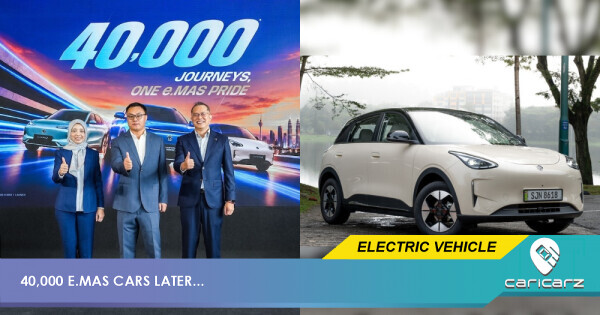
Proton Sold 40,000 e.MAS Cars. But That's Not Even The Most Interesting Number
Proton e.MAS has delivered 40,000 vehicles, but the e.MAS 5's place among Malaysia's best-selling cars tells an even bigger EV story.
30-09-2026
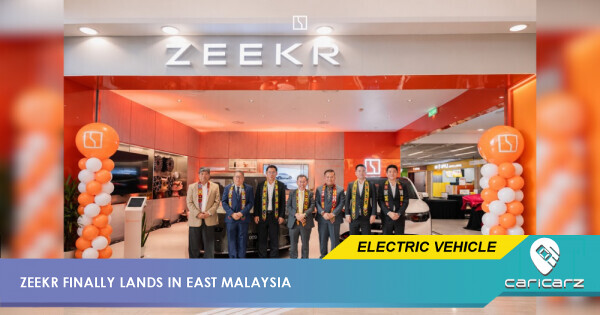
Kuching Gets Zeekr's First East Malaysia Store, With More Coming Next Year
Zeekr opens its first East Malaysia retail location at The Spring Kuching, with permanent sales and service centres targeted for Q1 2027.
29-09-2026
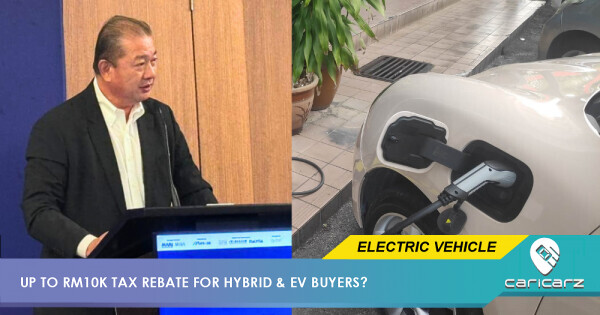
Buying A Hybrid Or EV? MAA Proposes Up To RM10,000 Tax Rebate
MAA proposes a RM7,000-RM10,000 income tax rebate for hybrid and EV buyers under Budget 2027, plus incentives for home charging and old-car scrapping.
28-09-2026
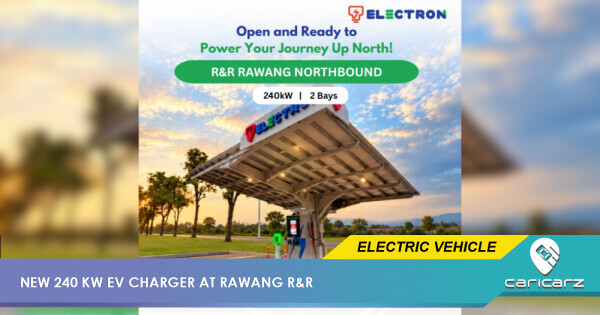
Driving Up North In An EV? There's A New 240 kW Charger At Rawang R&R
TNB Electron's new 240 kW DC EV charger at R&R Rawang Northbound is now live, with free charging available until 29 Sept 2026.
28-09-2026
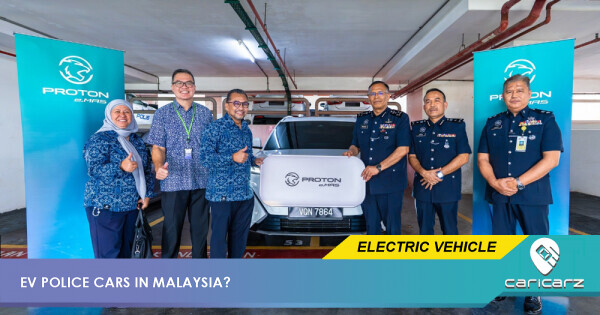
Could An EV Really Work As A Malaysian Police Car? PDRM Is Finding Out
PDRM is testing the Proton e.MAS 5, e.MAS 7 EV and e.MAS 7 PHEV to see whether electrified vehicles could work for Malaysian police duties.
18-09-2026
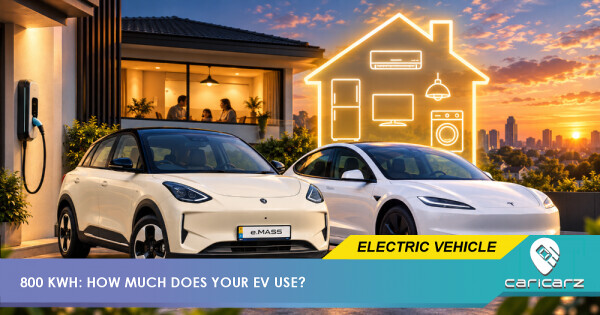
Malaysia's Electricity Protection Is Now 800 kWh - How Much Power Does An EV Use Per 100 KM?
Malaysia's electricity protection threshold is now 800 kWh. Here's how much electricity popular EVs use per 100 km and what the extra 200 kWh means.
18-09-2026
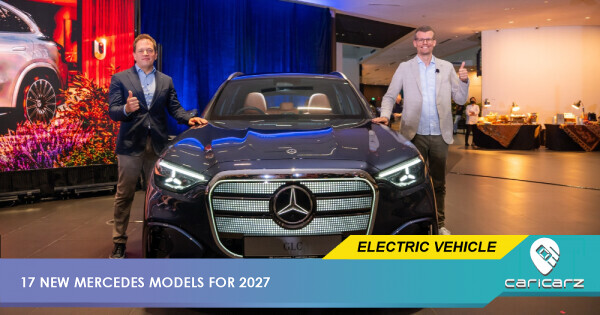
17 New Mercedes Models Are Coming To Malaysia In 2027 - Here's What We Know
Mercedes-Benz Malaysia plans 17 new models for 2027, with most set for local assembly in Pekan. Here's what we know about its ICE and EV plans.
17-09-2026
Show More
trending_flat
Malaysia First Used Car and EV Consignment Platform
This is the best place to sell your car at true market value. Instead of accepting low dealer trade-ins, we handle everything and connect your car directly to genuine buyers for the highest price.

Understanding CariCarzAutomall Consignment Plan


Approved 200-Check Points Inspection

7 Day Money Back Guarantee

One Year Extended Warranty

No Hidden Charge
