Are EVs Much More Affordable Now Than A Decade Ago?



 Yes, EVs remain somewhat a 'premium' today, but things aren't as bad as they used to be 10 years ago...
There’s no denying that we are now is a very different age of cars – and mobility, in general. Telling signs of which today are clear, namely the rise of electric vehicles (EVs) in terms of both availability and sales figures, and how they are arguably spurring widespread electrification too.
For this feature, we’ll focus on the former, specifically the ease of accessibility to which and why. If you’ve always wondered why EVs in Malaysia are now a lot more affordable than say a decade ago, we’ve got the answers to which below…
 The Paris Accords in 2015 for reduction of greenhouse gas emissions to combat climate change spurred a massive shift in the global auto industry.
Thing Were Very Different A Decade Ago…
Rewind the clock a decade back to circa 2015 and 2016. Globally, climate change prompted governments to sign the Paris Accords aimed at reducing greenhouses gasses. In turn, this marked the starting point for the growth of electrified vehicles – particularly hybrid (HEV) and plug-in hybrid (PHEV) types, as well as EVs.
Concurrently, the National Automotive Policy (NAP) enforced in Malaysia circa 2015-2016 saw heavy promotion of the Energy Efficient Vehicle (EEV) classification and status by the government, which brought incentives and tax breaks for locally built (CKD) HEVs, PHEVs and EVs to encourage ‘greener’ manufacturing.

 In 2015, both Tesla and BYD - EV-making giants today - were already in full production swing with their respective Model S (left) and e6 (right) models.
We reckon the combination of both factors arguably fostered how consumers perceived electrified mobility in general. Pivotal here too was the rapid growth of ‘disruptors’ – namely Tesla and scores of Chinese EV brands. Firstly, we’ll be brief and point out Tesla delivered 50,000 and 76,230 vehicles in 2015 and 2016 respectively.
Equally critical here too was the start of a surge in ‘New Energy Vehicle’ (NEV) sales in China. Encompassing both hybrids (HEVs/PHEVs) and EVs, said nation saw NEV sales in 2015 stood at roughly around 207,000 to 370,000 units before nearly doubling in 2016 to roughly between 350,000 and 500,000 units.

 One clear example is the difference in price between the first- (left) and second-gen Nissan Leaf - ETCM sold the former at RM180,566 whilst the latter was tagged at RM168,888 instead.
EV Battery Costs Were High Back Then
Despite the favourable socio-economic climate noted, EVs still remained ‘premium’ then. For reference, the first-gen Nissan Leaf EV hatch marketed by Edaran Tan Chong Motor (ETCM) locally then commanded RM180,566 (with 6% GST) – significantly more than the current (read: outgoing) second-gen model’s RM168,888 figure.
The reasons for which are fundamentally simple – EV batteries were not as cheap to mass-produce then as they are now. We’ll also add that EV battery tech at the time wasn’t as mature as what is now, largely thanks to today's cost-cutting methods and materials such as cell-to-pack designs and adoption of lithium-ion (li-ion) cells.


 Fundamentally, what drives EV costs down are the rationalisation and lowering costs to produce EV batteries.
In fact, EV batteries once took up 30-50% in the cost of producing any EV model. The combination of tech and market maturity however thankfully saw this reduced drastically to roughly 15-20% in most current EV models on sale today. Effectively, lowered EV battery costs have helped to slash sale prices of EVs in the last decade.
In turn, this ought to explain the rise of ‘affordable’ EVs currently on sale in our market. Notable examples for which include the Proton e.MAS 5, TQ Wuling Bingo EV, Perodua QV-E, as well as the BYD Atto 2 – all are either priced well below or just at the cusp of the RM100,000 mark – battery leasing costs (i.e. Perodua BaaS) factored in too.

Bonus: Cheaper Owning And Running Costs? Maybe
The other key upside to both tech maturity and cost rationalisation for EV batteries also means that the cost of owning and maintaining an EV will become much more reasonable over the coming long term too. This is evident in the rise of third-party entities specialising maintenance (repair and replacement), as well as responsible disposal.
However, this part of the EV economic sector and business is still in its infancy to say the least, but we’ll argue that it is maturing in an equally rapid pace. Aptly, this deserves its own deep-dive, one we’ll explore and produce in a timely manner. For now, let’s revel in the fact that EVs are much more accessible versus the ‘premium’ they once commanded.


 Examples of affordable EVs currently on sale in Malaysia include (clockwise) BYD Atto 2, TQ Wuling Bingo EV, Proton e.MAS 5 and the Perodua QV-E.
TL; DR: Cheaper EV Batteries = Cheaper EV Batteries
In short, rationalised costs in developing and producing EV batteries, both stemming from fast-maturing tech and engineering, bolstered by lowered costs of key raw materials like li-ion, have allowed EVs to be much cheaper and more accessible than ever.
Do you agree? What other factor or points do you reckoned we missed here? As usual, hit the comments below with your take on things…


JPJ Running Numbers
KUALA LUMPUR
VRT3086
SELANGOR
BSU3081
JOHOR
JF4396J
PULAU PINANG
PSG2593
PERAK
APM925
PAHANG
CFH9642
KEDAH
KGJ3979
NEGERI SEMBILAN
NEM2253
KOTA KINABALU
SJU4720
KUCHING
QAB7316P
Last updated 08 Oct, 2026
Fuel Price
Petrol
RON 95
RM 3.97
+1.38
RON 97
RM 4.90
+1.75
RON 100
RM 7.20
+2.20
VPR
RM 8.23
+2.00
Diesel
EURO 5 B10
RM 5.12
+2.08
EURO 5 B7
RM 5.32
+2.08
Last updated 30 Apr, 2026
Related News

Mercedes-Benz And Factorial Collaborates To Develop Solid-State Batteries
Mercedes-Benz teams up with American startup Factorial to develop solid-state batteries that promises to extend EV range by 80%.

15-09-2024

BMW Prepares Mexico Plant For Neue Klasse Models Production
BMW Group begins construction to expand its Mexico plant, which will also build Neue Klasse models.
09-05-2024

Rimac Set To Supply BMW With EV Batteries
New “long-term” deal sees Rimac supplying EV batteries for next-generation BMW EV models.
11-04-2024

Stellantis Aims To Halve EV Battery Weight And Match ICE and EV Weights
Stellantis seeks to match EV weight with ICE cars by halving battery weight through efficient packaging and more.
12-09-2023

Battery Chemists Recommend Fluoride To Make Electric Cars Go Farther
Discovery Of Fluoride Could Lead To Much Longer-Lasting EV Batteries.

02-07-2023

Singapore Uni Lab Will Build Fast-Charging EV Batteries That Can Last 30 Years
NUS facility is developing EV batteries that last a full decade longer than those currently powering EV.
30-05-2023
Latest News
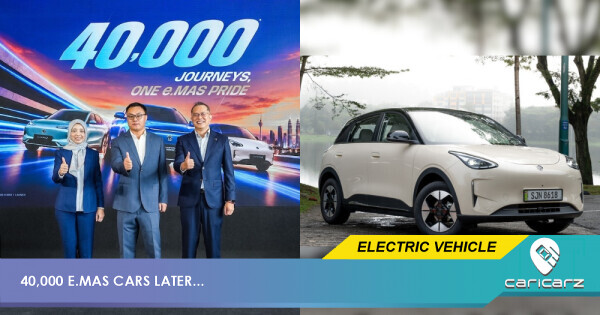
Proton Sold 40,000 e.MAS Cars. But That's Not Even The Most Interesting Number
Proton e.MAS has delivered 40,000 vehicles, but the e.MAS 5's place among Malaysia's best-selling cars tells an even bigger EV story.

30-09-2026
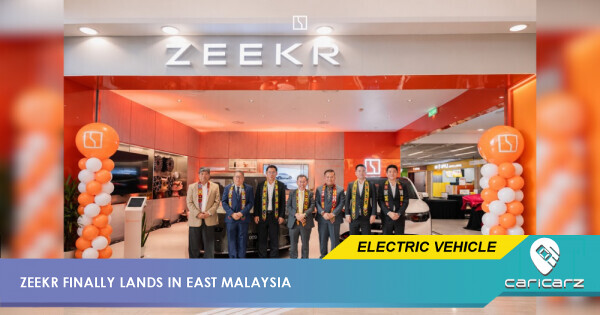
Kuching Gets Zeekr's First East Malaysia Store, With More Coming Next Year
Zeekr opens its first East Malaysia retail location at The Spring Kuching, with permanent sales and service centres targeted for Q1 2027.
29-09-2026
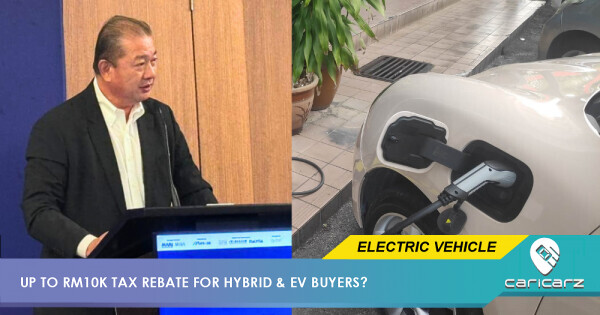
Buying A Hybrid Or EV? MAA Proposes Up To RM10,000 Tax Rebate
MAA proposes a RM7,000-RM10,000 income tax rebate for hybrid and EV buyers under Budget 2027, plus incentives for home charging and old-car scrapping.
28-09-2026
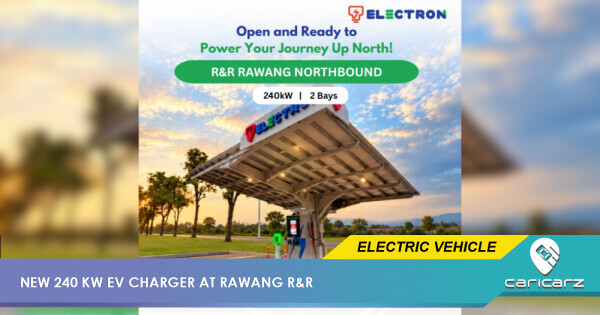
Driving Up North In An EV? There's A New 240 kW Charger At Rawang R&R
TNB Electron's new 240 kW DC EV charger at R&R Rawang Northbound is now live, with free charging available until 29 Sept 2026.
28-09-2026
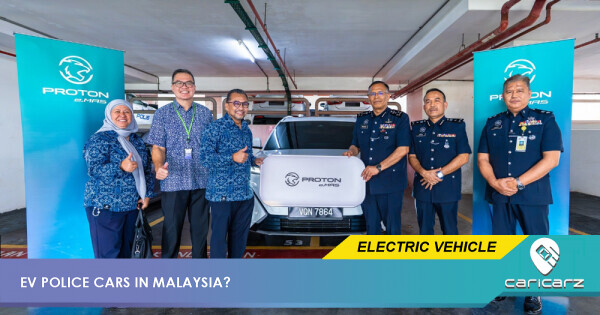
Could An EV Really Work As A Malaysian Police Car? PDRM Is Finding Out
PDRM is testing the Proton e.MAS 5, e.MAS 7 EV and e.MAS 7 PHEV to see whether electrified vehicles could work for Malaysian police duties.
18-09-2026
Malaysia's Electricity Protection Is Now 800 kWh - How Much Power Does An EV Use Per 100 KM?
Malaysia's electricity protection threshold is now 800 kWh. Here's how much electricity popular EVs use per 100 km and what the extra 200 kWh means.
18-09-2026
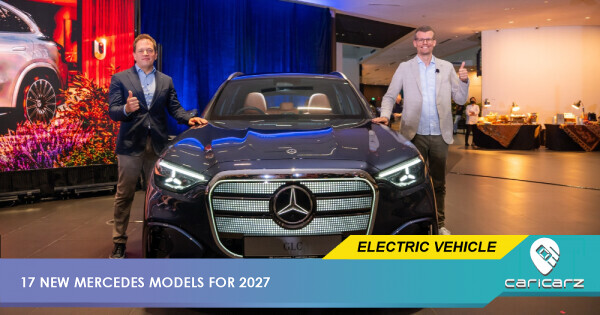
17 New Mercedes Models Are Coming To Malaysia In 2027 - Here's What We Know
Mercedes-Benz Malaysia plans 17 new models for 2027, with most set for local assembly in Pekan. Here's what we know about its ICE and EV plans.
17-09-2026
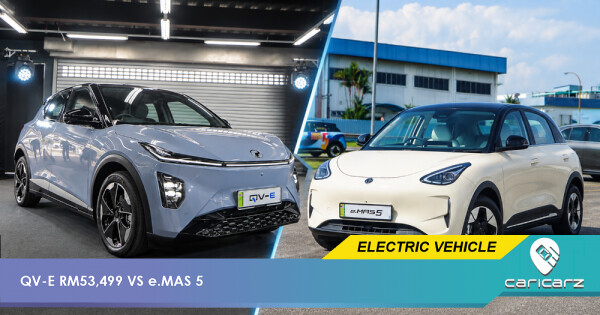
Perodua QV-E Now At RM53,499 Vs Proton e.MAS 5: Which Makes More Sense?
Perodua QV-E now starts at RM53,499 with BaaS under its Malaysia Day promo. See how it compares with the Proton e.MAS 5 on price, range, charging and features.
16-09-2026
Show More
trending_flat
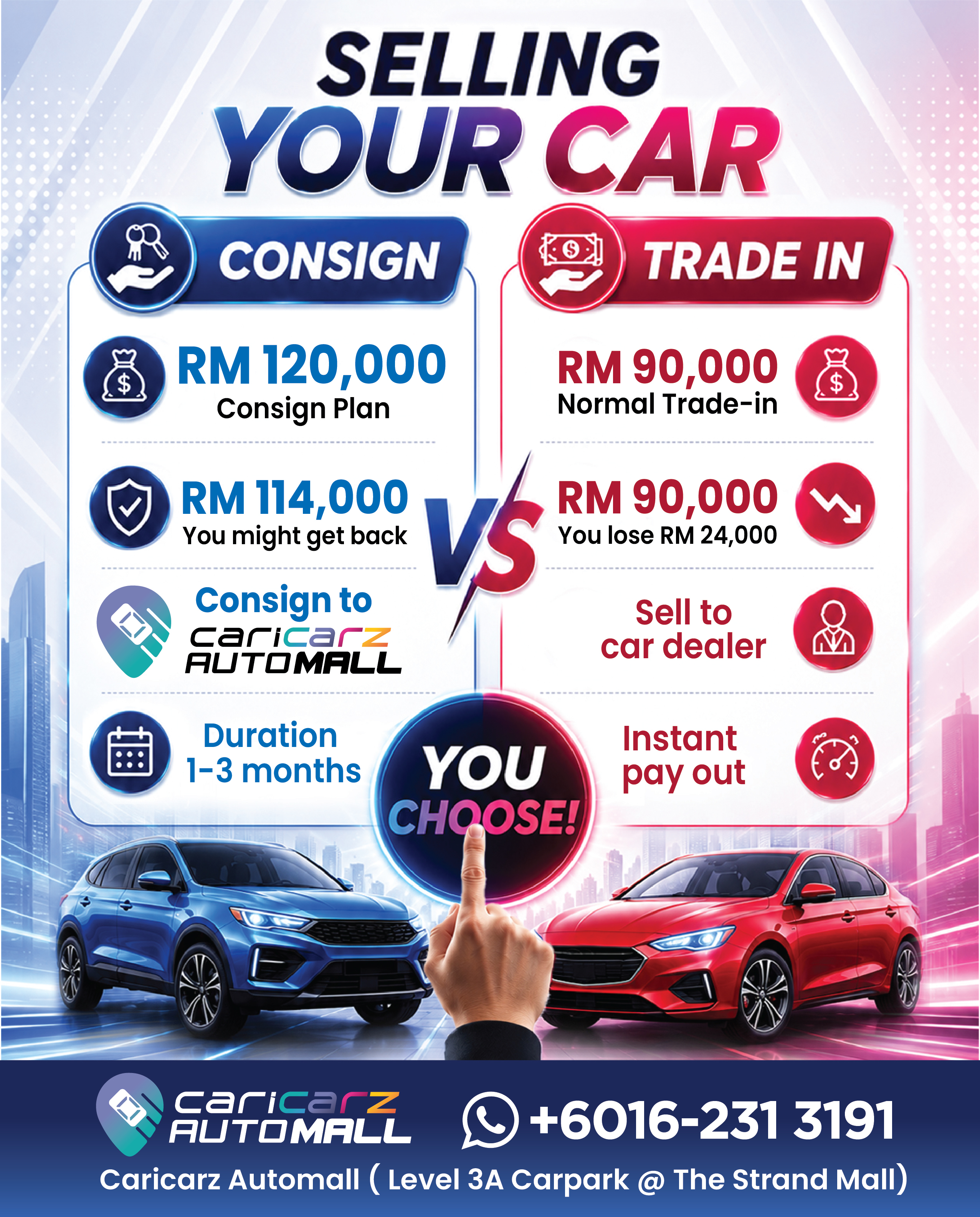
Malaysia First Used Car and EV Consignment Platform
This is the best place to sell your car at true market value. Instead of accepting low dealer trade-ins, we handle everything and connect your car directly to genuine buyers for the highest price.

Understanding CariCarzAutomall Consignment Plan

Approved 200-Check Points Inspection

7 Day Money Back Guarantee

One Year Extended Warranty

No Hidden Charge
